
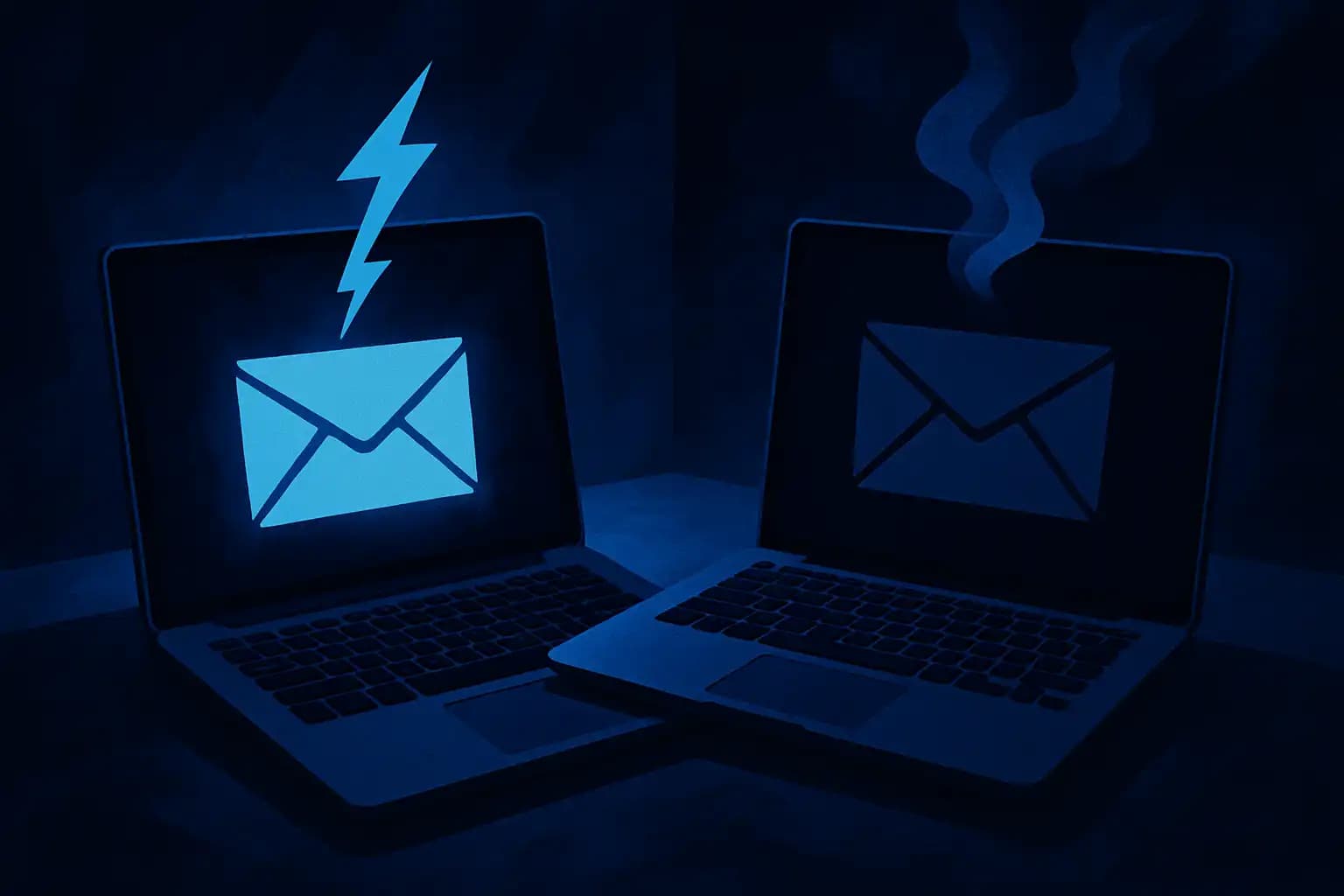
Understanding Warm Email vs Cold Email: Which Works Better?
Many SMB owners underestimate the power of email outreach, thinking any approach will suffice. However, the effectiveness of your email strategy can make or break your engagement with potential clients. You have limited time and resources, and understanding whether to send warm or cold emails can dramatically impact your lead generation efforts.
What Is Warm Emailing vs Cold Emailing?
Warm emailing refers to reaching out to contacts with whom you have some prior relationship or familiarity. This could mean existing connections on LinkedIn or acquaintances from industry events. Cold emailing, however, involves reaching out to potential leads who have had no prior contact with you.
Choosing between these two strategies isn't just about preference; it's about what yields tangible results for your business. Here’s a breakdown of when each approach works best.
When to Use Warm Emails
Warm emails often have higher open and response rates. According to research, warm emails can yield open rates of up to 50%, while cold emails typically see open rates around 20%. Here’s why you should consider them:
- Personal Connection: You can reference mutual acquaintances or past interactions.
- Trust: Familiarity helps to lower skepticism and increase engagement opportunities.
- Higher Conversion Rates: Leads are more likely to respond positively when they feel you understand their needs.
When to Use Cold Emails
Cold emailing can still be effective, particularly when you’re seeking to expand your reach to new markets or industries. Here’s when it makes sense:
- Scaling Efforts: If you want to build a broader list quickly.
- Targeting New Segments: When you have a clear idea of your ideal customer profile.
- A/B Testing: Experimentation can reveal new opportunities you may not have considered before.
Common Mistakes in Email Outreach
Whether you choose warm or cold email strategies, certain pitfalls can diminish your success. Avoid these common mistakes:
- Poor Targeting: Failing to segment your audience properly can result in irrelevant messaging. Spend time refining who your ideal customer is.
- Generic Messaging: Sending templated emails without personalization can lead to low engagement. Craft each message to resonate with its recipient.
- Ignoring Follow-Ups: Many deals close after several follow-ups. Don’t assume one email is enough; build a consistent outreach strategy.
Best Practices for Warm and Cold Email Strategies
To ensure your email outreach is effective, consider the following best practices:
For Warm Emails:
- Identify connections: Start with your network and LinkedIn contacts. Make a list of potential warm leads.
- Personalize your message: Reference a shared experience or mutual contact to create a foothold.
- Be concise and clear: Your reader is busy, so get to the point quickly.
- Include a clear CTA: Guide the recipient toward the next step, whether it's scheduling a call or visiting your website.
For Cold Emails:
- Research your prospects: Understand their business needs and tailor your message accordingly.
- Craft a compelling subject line: Aim for curiosity or value. Avoid being overly salesy.
- Showcase value: Explain what's in it for them, whether it's a solution to a pain point or valuable insights.
- Follow up strategically: Don’t hesitate to send reminders or additional information after the initial email.
Real-World Example
Consider the case of a startup providing marketing automation software. This company initially relied solely on cold emails to promote its services. After a few months of underwhelming responses, they decided to shift gears. By identifying existing users of competitor products and sending personalized warm emails, they saw a 150% increase in response rates. This case illustrates that a more tailored approach can lead to better outcomes, especially when relationships are already somewhat established.
Action Steps to Take Today
Before you send out your next batch of emails, take a moment to assess your current approach:
- Review your contact database: Identify potential warm leads who already know your business.
- Personalize your outreach: Craft at least one warm email and one cold email based on the guidelines provided.
- Set a follow-up schedule: Plan to reach out again within one week if you haven’t received a response.
Conclusion
The choice between warm and cold emails shouldn’t be a decision made lightly. By understanding the nuances between them and avoiding common pitfalls, you optimize your chances of converting leads into clients. Today, take actionable steps toward crafting effective email campaigns. Your business growth depends on it.
Keep exploring
Ready to Grow Your Business?
Schedule a free strategy session with Jordan Bishop and get a clear marketing plan tailored to your business.
Schedule Your Free Strategy Session