
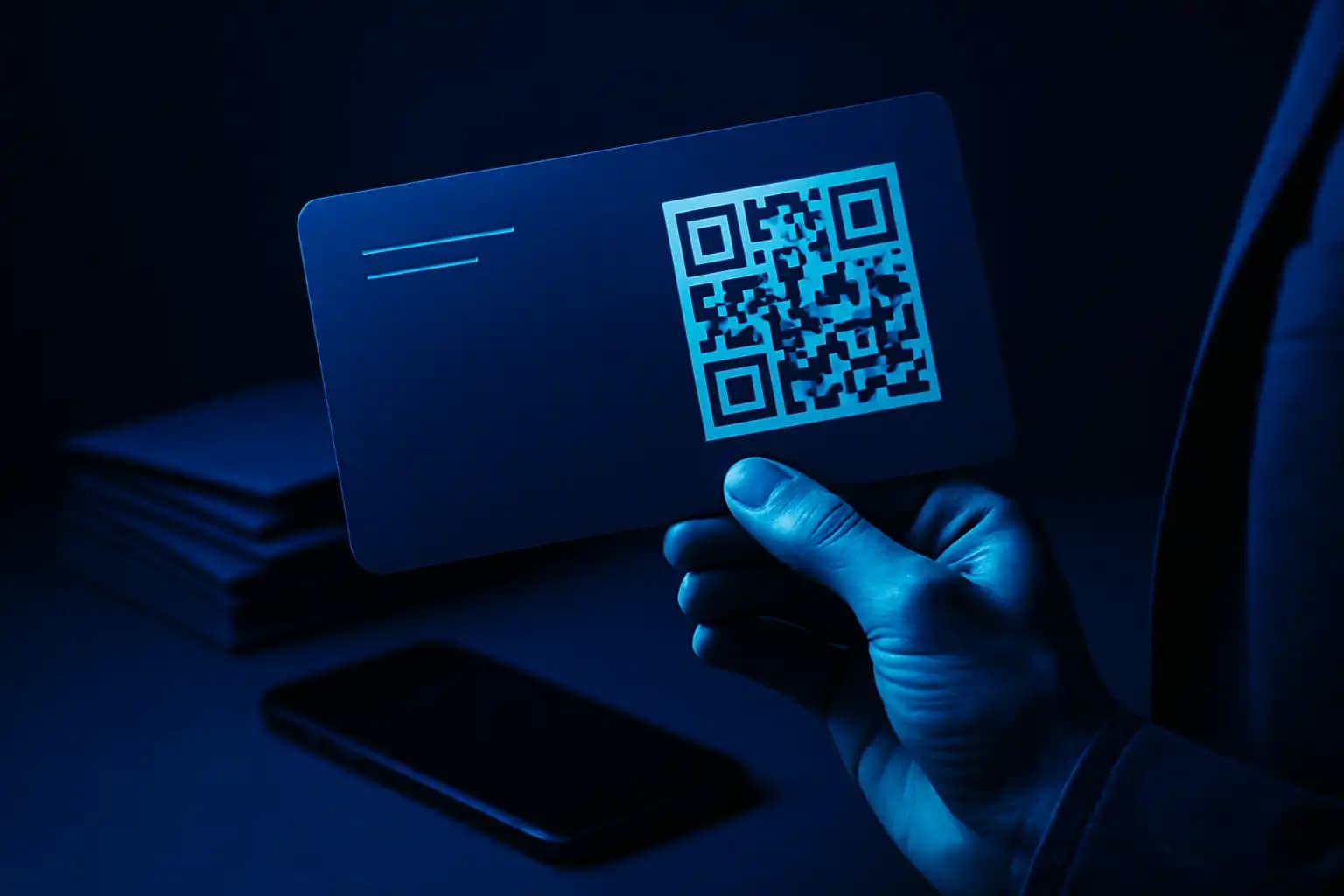
Track Direct Mail Campaigns Effectively with QR Codes
Most SMBs spend significant resources on direct mail campaigns, yet many struggle to measure their effectiveness. A staggering 73% of marketers say they can’t track ROI from traditional mailings. The good news? QR codes can bridge this gap. They can transform your direct mail efforts from a guessing game into a data-driven decision-making process, allowing you to understand what’s working and what needs improvement.
Why QR Codes Matter in Direct Mail
QR codes (Quick Response codes) provide a direct link to online content via mobile devices. They make it easy for potential customers to engage with your brand instantaneously. By including QR codes in your direct mail, you're not just sending out promotional material; you're creating a measurable interaction point. Customers can scan the code, visit your landing page, or even make a purchase, all from the comfort of their homes.
How to Track Direct Mail Campaigns with QR Codes
Here’s a practical approach to implementing QR codes in your direct mail strategy:
- Create a Dedicated Landing Page: Ensure that your QR code directs users to a specific landing page that reflects the campaign's message. This will help you track conversions accurately.
- Use Shortened URLs: If you’re using a URL shortener, integrate it with your QR code. This allows you to monitor clicks separately from your main website analytics.
- Design Eye-Catching QR Codes: Your QR code should be visually appealing and fit naturally within your mail design. It should invite engagement, not look out of place.
- Include a Call to Action (CTA): Clearly state what the user will gain by scanning the QR code, whether it’s a discount, free information, or entry into a contest.
- Track Results: Utilize tools like Google Analytics to understand user behavior post-scan. Set up goals that align with your campaign objectives, such as collecting emails or making sales.
Real-World Context: Benchmarks and Examples
According to the Direct Mail Association, direct mail response rates averaged 4.9% in 2020. By integrating QR codes, some businesses have reported a 20 to 30% increase in engagement. For example, a local restaurant that implemented QR codes in their menu direct mail saw a 25% increase in online orders within a month. If you can capture even a fraction of that response, it could substantially impact your bottom line.
Common Mistakes and How to Avoid Them
Even with the right intentions, many businesses miss the mark when using QR codes in their direct mail. Here are a few pitfalls to avoid:
- Not Testing the QR Codes: Always test your QR codes across multiple devices. A broken link can mean lost opportunities. Before sending out your campaign, scan your codes to ensure they work seamlessly.
- Lack of Mobile Optimization: If your landing page isn’t mobile-friendly, you’ll lose potential customers who scanned your code. Make sure your website designs adapt to various device screens.
- Failing to Measure Results: While it's easy to create and place a QR code, many businesses neglect to analyze performance metrics. Always track your engagement and adjust future campaigns accordingly.
Conclusion and Next Steps
Integrating QR codes into your direct mail campaigns is more than a trendy tactic; it’s a strategic move that allows you to track customer engagement effectively. Start with a dedicated landing page, test every element, and measure your results. Your next step is simple: choose an upcoming campaign, implement your QR code, and start tracking results today. The insights you gain will be invaluable for your future marketing efforts.
Keep exploring
Ready to Grow Your Business?
Schedule a free strategy session with Jordan Bishop and get a clear marketing plan tailored to your business.
Schedule Your Free Strategy Session